

There are no Disadvantages in using Correctly Formulated Eco-Friendly Cleaning Products.
Is your car cleaner damaging your paint? The truth about what’s in the bottle.
There are no disadvantages to using properly formulated eco-friendly cleaning products.
And if we can make them — why wouldn’t we?
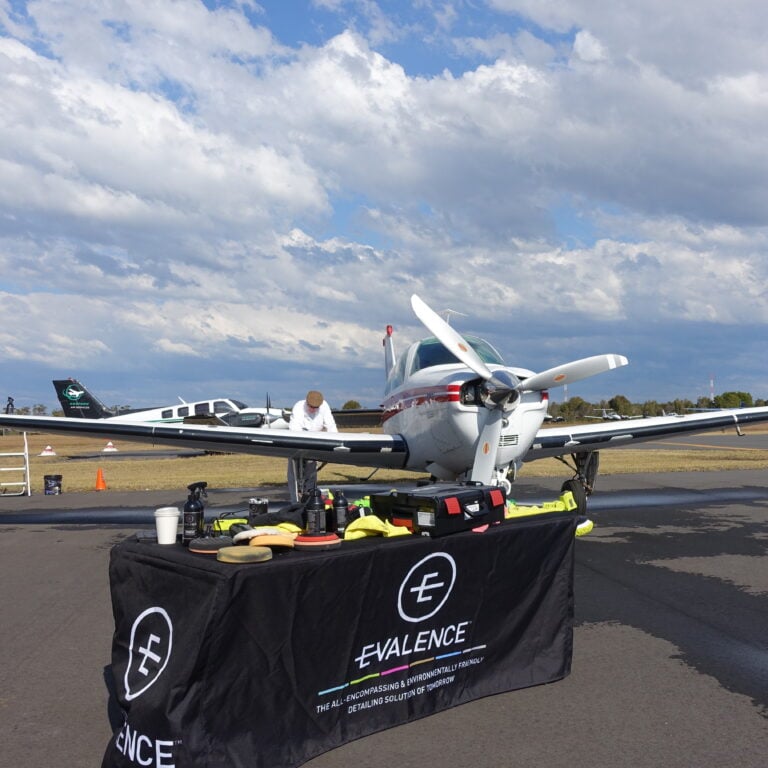
Car, boat, and aviation detailing doesn’t have to come at the cost of your health, your surfaces, or the environment. The old argument that eco-friendly products don’t “work” simply isn’t true anymore — it’s all about formulation.
Yet most products on the shelves still rely on harsh chemicals, cheap fillers, and short-term solutions. Here’s what that really means for your vehicle — and for you.
Why are other companies still using harsh solvents?
The simple answer: it’s cheap.
Solvents are aggressive and inexpensive. They offer quick, short-term results — but at a cost. These ingredients (especially ammonia) often stay on the surface and accelerate oxidation and damage, meaning you have to clean more often. Every cycle of clean/polish slowly wears down the surface, leading to long-term deterioration.
The real danger: What’s lurking in common cleaning products?
Ammonia
Commonly used in polishes and especially metal polishes, can cause dizziness, shortness of breath, and swelling in the airways, which may lead to lung damage and be fatal.
Test it yourself: Put your metal polish in a clear jar and leave it for a day or so. If the formulation separates, then you can be 99% sure it is ammonia-based.
👉 Click here to read more about the dangers of ammonia
✅ Not one product in the E-Valence Range contains Ammonia.
Silicone
Most automotive cleaning products contain silicone. Waxes, final finishes, polishes, and tyre shines use silicone as an inexpensive transfer agent. It helps the formulation spread over the surface and provides a short-term shine (2-3 days) before wearing off — and then attracts dirt like a magnet. Worse, it leaves residue that interferes with future detailing.
👉 Click here to learn more about the dangers of silicone
✅ E-Valence is 100% silicone-free.
Siloxane
The “functional group that makes up a silicone polymer”. Used in several ceramic applications, concerns about the safety of this synthetic chemical are growing.
👉 Click here to read more about the dangers of Siloxane
✅ E-Valence products are Siloxane-free.
Petroleum Distillates
Often used in ceramic coatings, may be fatal if swallowed or if they enter the airways. It can cause skin and eye damage, as well as nausea.
👉 Click here to read more
✅ Zero petroleum distillates in the E-Valence range.
Sodium & Calcium Hypochlorite
Strong bleach compounds used in some cleaners. Linked to skin and eye irritation, respiratory and gastrointestinal issues, and long-term damage.
👉 Click here for more info
✅ E-Valence does not use bleach-based chemicals.
Toluene, xylene and ethylene oxide – basically anything in the “ene” family.
Toluene and Xylene are volatile organic compounds (VOCs). They are flammable and may have a primary detrimental effect on the central nervous system. Ethylene is a gas.
- Toluene can cause dizziness, headaches, confusion, etc., and prolonged exposure may lead to neurological damage or death.
- Xylene is colourless with a sweet odour; this product is flammable. It may affect the central nervous system, causing dizziness, depression, nausea, and vomiting. Systemic toxicity (when it enters the bloodstream) can damage the liver and kidneys.
- Ethylene and Ethylene oxide: while ethylene is a non-toxic gas that replaces oxygen in the air, it can explode in poorly ventilated areas. The EPA classifies ethylene oxide as highly toxic and “Carcinogenic to humans”. It is essential to distinguish between the two.
👉 Learn more about Toluene
👉 Learn more about Xylene
👉 Learn more about Ethylene and Ethylene oxide
✅ No “ene” family chemicals are found in E-Valence.
Phosphoric Acid
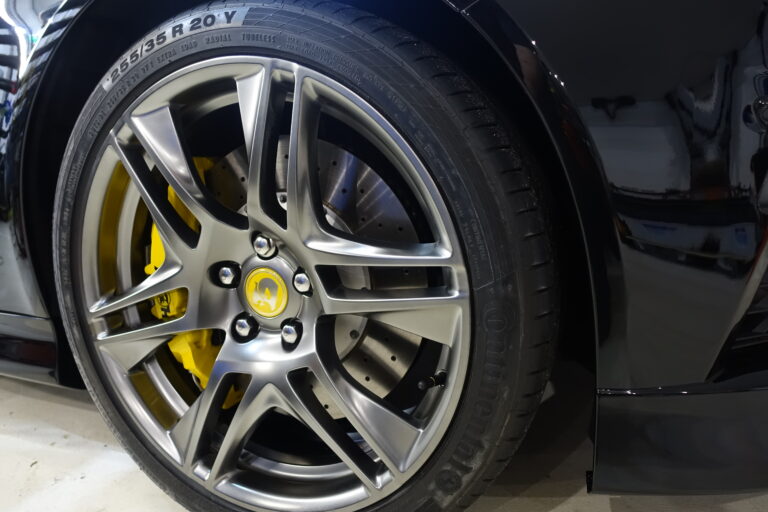
Commonly found in most retail and commercial “Wheel Cleaners”. It is one of the chemicals in wheel cleaners that turns purple when it reacts with brake dust on wheels. Phosphoric acid can cause severe irritation to the lungs. Repeated exposure may lead to bronchitis, shortness of breath, skin cracking, and significant eye damage.
👉 Read more about phosphoric acid
✅ The E-Valence Wheel Cleaner is acid-free and safe for your alloys and wire wheels.
So what’s the alternative?
You don’t need to trade performance for safety — not anymore.
Properly formulated, modern eco-friendly products clean better, last longer, and don’t leave behind harmful residues.
Enter: E-Valence
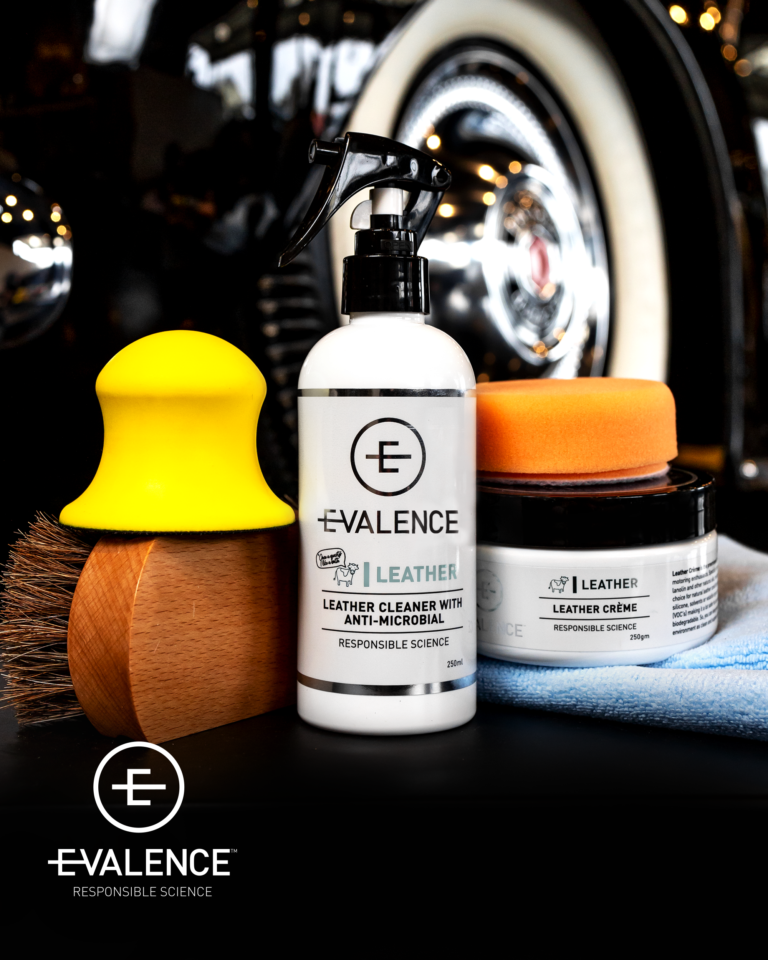
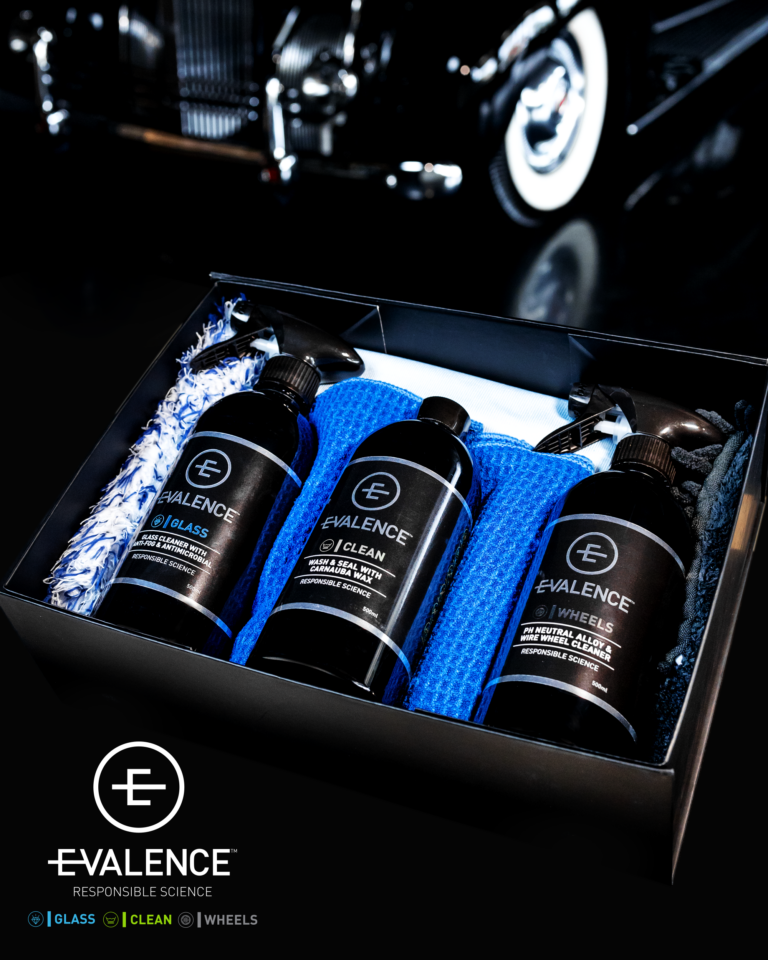
We’ve developed the world’s first comprehensive eco-friendly range for cars, boats, bikes, and aircraft. Our products are:
- 100% biodegradable
- Water-based
- Silicone-free
- 99–100% free from solvents and VOCs
No ammonia. No phosphoric acid. No petroleum distillates. No “-ene” family toxins. Just smart, safe chemistry that works.
In fact, our products have outperformed conventional solvent-based cleaners in real-world testing, offering better protection and longer-lasting results.
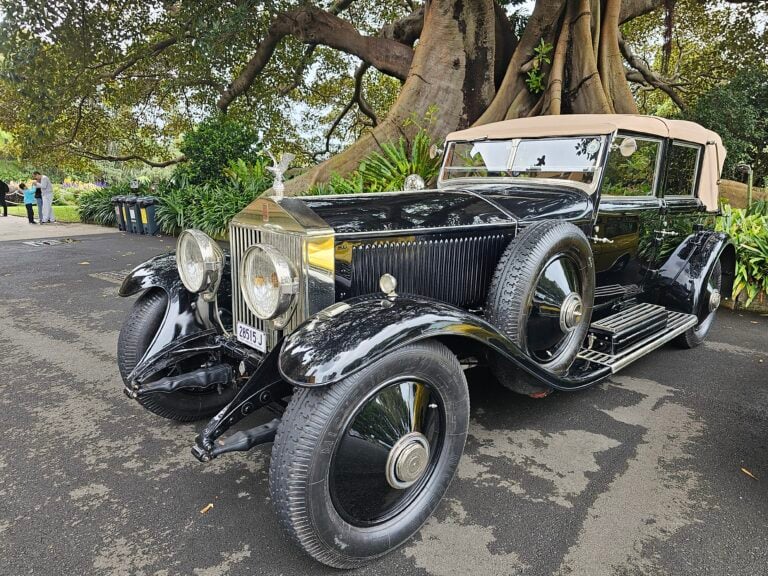
Whether you’re detailing a classic, protecting a ceramic finish, or cleaning your daily driver, we believe you deserve better.
Browse more car care tips — click the NEWS icon on our website to explore more articles.
E-Valence
Responsible Science